
SOFT MINIMALISM: A CALMER APPROACH TO INTERIOR DESIGN
In a culture saturated with visual noise, there is something quietly revolutionary about restraint.
Soft minimalism is not simply a design trend—it’s a philosophy of intentional living. Rooted in clarity but infused with comfort, it reimagines minimalism as something human and healing. It’s a style that doesn’t chase perfection, but rather, makes space for peace.
Imagine walking into a room and hearing it exhale. That’s the essence of soft minimalism: a home that soothes rather than stimulates.
This article is your guide to the feel, function, and form of this quietly powerful aesthetic—from its principles and materials to room-by-room applications that turn simplicity into sanctuary.
What Is Soft Minimalism?
Soft minimalism is often described as the natural evolution of traditional minimalism — an aesthetic rooted in the belief that less is more, yet quietly acknowledging that more is not a failure. Where classic minimalism can feel sharp, austere, and emotionally distant, soft minimalism softens the edges. It introduces warmth, tactility, and humanity into spaces that once prioritized restraint above all else.
At its core, soft minimalism still values reduction. Clutter is edited. Visual noise is minimized. Space is intentional. But unlike its stricter predecessor, this approach does not confuse emptiness with perfection. It understands that a home is not a gallery, but a lived environment — one that should breathe, hold emotion, and adapt to daily life.
Soft minimalism values emptiness, but not sterility. Clean lines, but with soul. A neutral palette, but layered with texture and depth. Linen replaces crisp cotton. Wood shows its grain. Ceramics reveal the trace of the hand that shaped them. Imperfection is not hidden — it is quietly celebrated.
This aesthetic embraces the beauty of things that age and move with life. A linen shirt that wrinkles and somehow looks better because of it. A handmade bowl that isn’t perfectly round, yet feels more meaningful for that reason. A sofa that invites you to sit, not just admire. These details bring softness and emotional resonance to spaces that might otherwise feel distant or untouchable.
In a soft minimalist home, there is room for silence — but also for comfort. A book left open on a chair. A throw casually draped instead of neatly folded. Light filtered through sheer curtains rather than blocked or sharply defined. The space feels calm, but not frozen. Intentional, but forgiving.
Soft minimalism reflects a shift in how we want to live. It aligns with slower rhythms, mindful consumption, and a deeper respect for materials that last — not because they are flawless, but because they age gracefully. It rejects the pressure to maintain perfection and instead invites presence, ease, and quiet beauty.
Ultimately, soft minimalism is minimalism made human. It is not about deprivation or control, but about clarity and care. It is an aesthetic that allows a home to feel calm without feeling empty, refined without feeling cold.
This is minimalism you can actually live in.
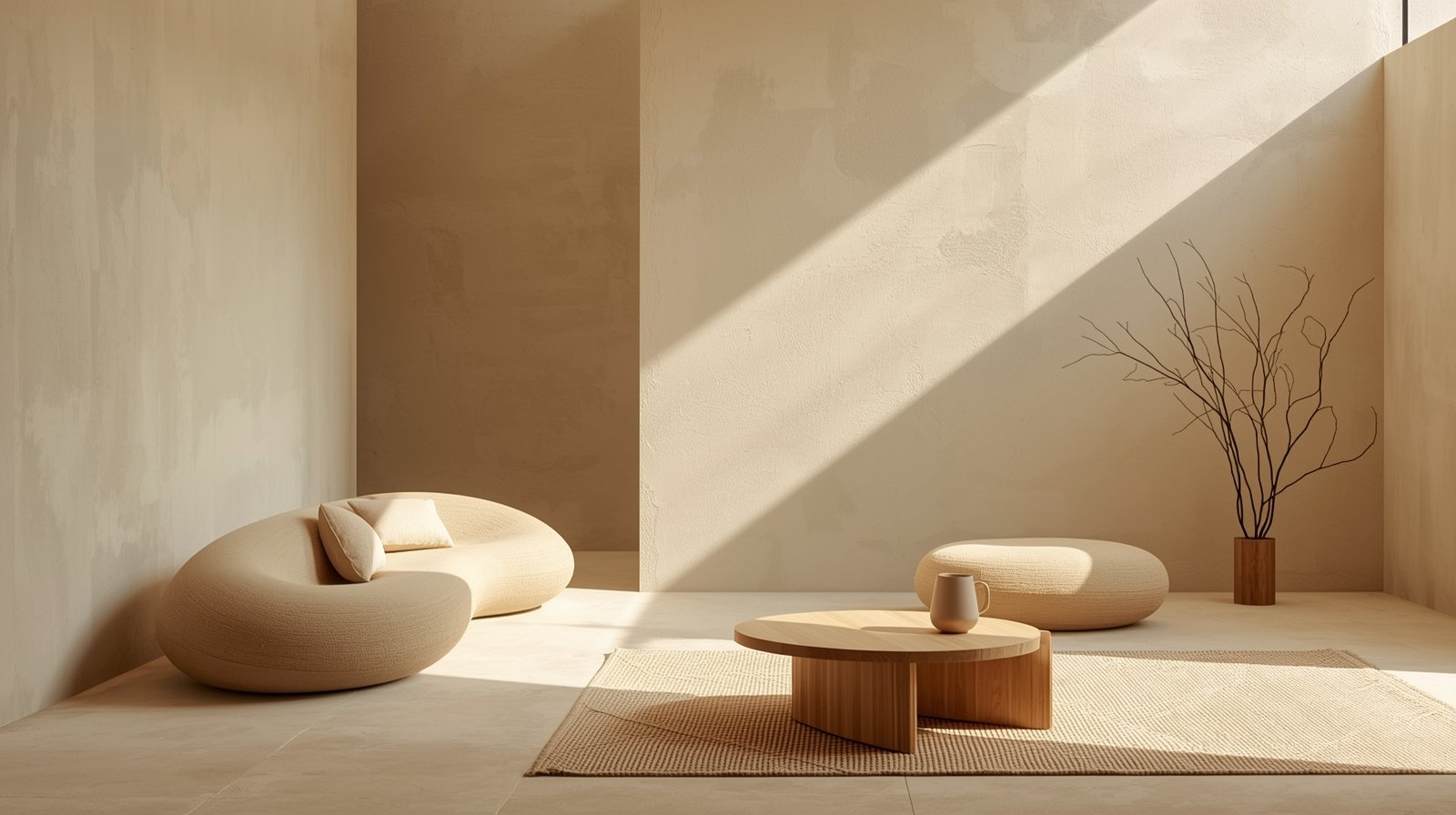




The Mood: Quiet, Grounded, Light
Soft minimalism doesn’t just change what a room looks like—it changes how it feels. It sets the tone for a slower, more considered way of living. The air feels lighter. Time feels slower. And the space itself becomes more than just aesthetic—it becomes a form of therapy.
This style invites you to:
Pause instead of perform
Simplify instead of accumulate
Let go of the unnecessary so the essential can shine
Instead of filling your shelves with knick-knacks, you display just one stoneware vase with a foraged branch. Rather than layering bright pillows and patterns, you use tone-on-tone textures—a nubby throw here, a boucle cushion there.
What results is a visual exhale. A space that feels like a sigh of relief.
Key Principles of Soft Minimalist Design
1. Neutral, Muted Palettes
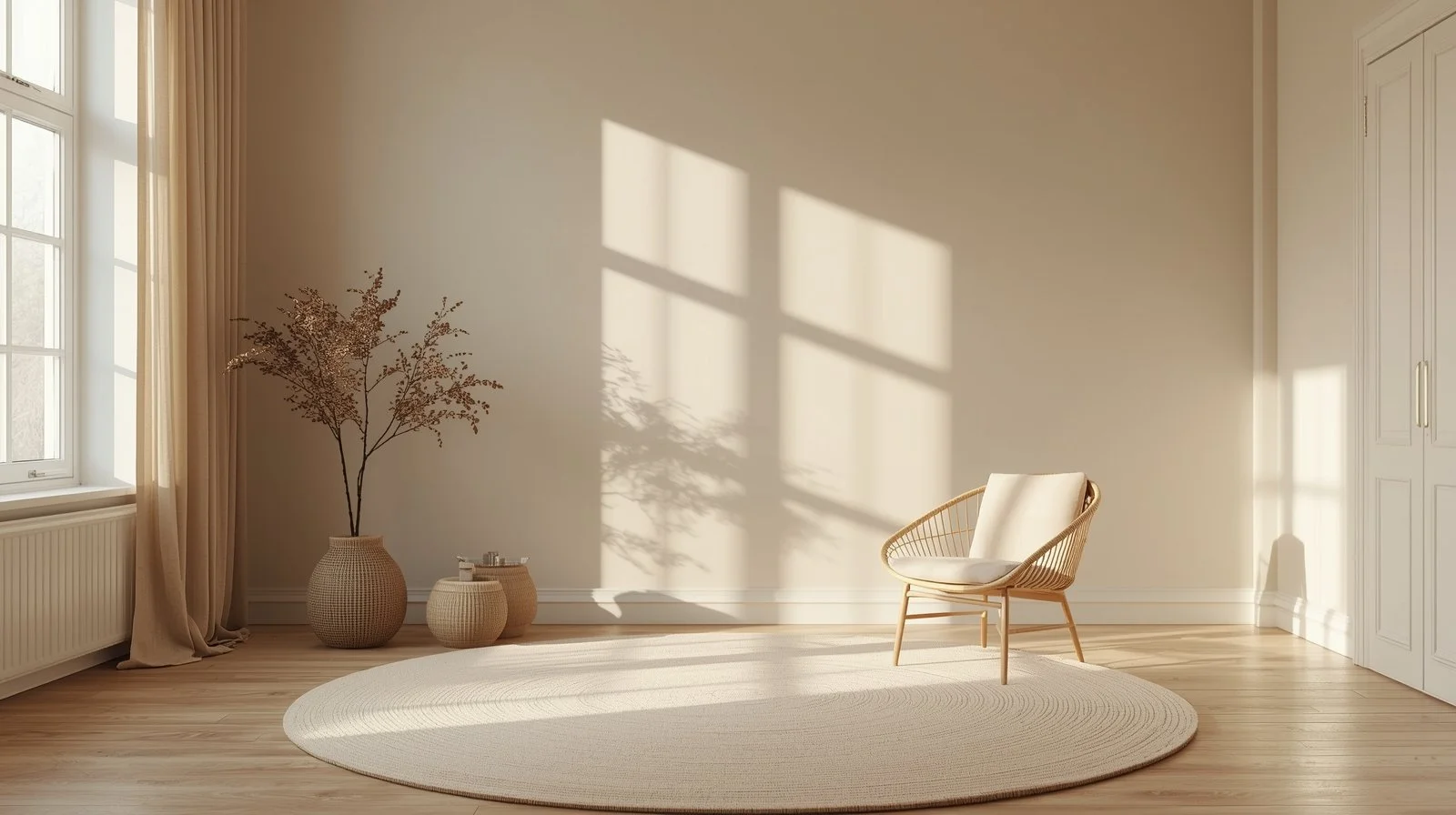
In a soft minimalist space, color is never meant to shout. Instead, it speaks in a low, steady voice — a palette drawn from nature itself, shaped by time, weather, and light. These are colors that feel familiar and grounding, as though they’ve always belonged.
Walls are often dressed in warm ivory, chalky white, or muted clay tones that catch light without reflecting it harshly. Furniture leans toward natural materials — linen with visible texture, pale or honeyed oak, softly veined stone. Even artwork tends to stay within a restrained spectrum: greige, sand, washed taupe, or a foggy blue that feels more atmospheric than decorative.
These colors don’t demand attention. They hold it gently. They shift throughout the day — warmer in the morning, quieter in the evening — creating a space that feels alive without ever becoming busy. The effect is subtle, but deeply calming, encouraging stillness rather than stimulation.
The intention isn’t beige for beige’s sake, nor neutrality as an absence of personality. It’s harmony without boredom. When colors work together instead of competing, the mind relaxes. The eye moves slowly. The room feels open to change — a new object, a season, a different rhythm of life — without losing its sense of balance.
In soft minimalism, color becomes a backdrop for living. It supports rather than distracts, soothes rather than impresses. And in doing so, it allows the space to feel timeless, restorative, and quietly complete.


2. Natural Materials
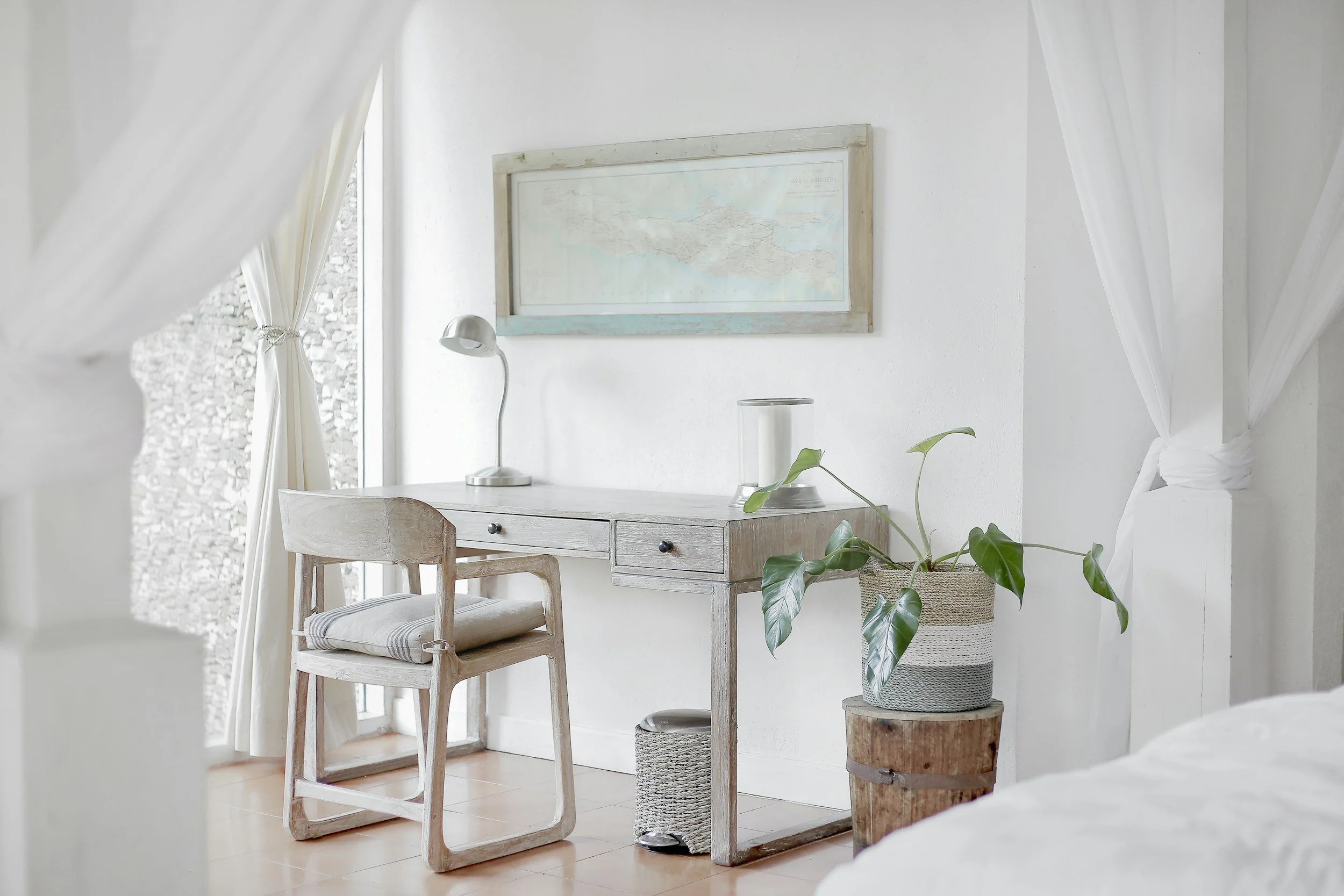
Soft minimalism relies on tactile honesty. In a world of synthetics and shine, this style favors materials that feel real:
Unfinished wood with visible grain
Ceramic with a thumbprint
Linen that crumples
Woven textures that invite touch
Every material tells a story—of where it came from, how it was made, and how it might age. These are not disposable pieces. They are meant to weather with you, to absorb life and become part of your environment in the most meaningful way.
The beauty of natural materials is that they never feel trendy. Oak, wool, jute, clay—these substances have been used for centuries. And they’ll still be relevant in the centuries to come.
3. Comfortable Simplicity
The phrase “less is more” often comes with a harsh edge. In soft minimalism, it becomes “less, but softer.”
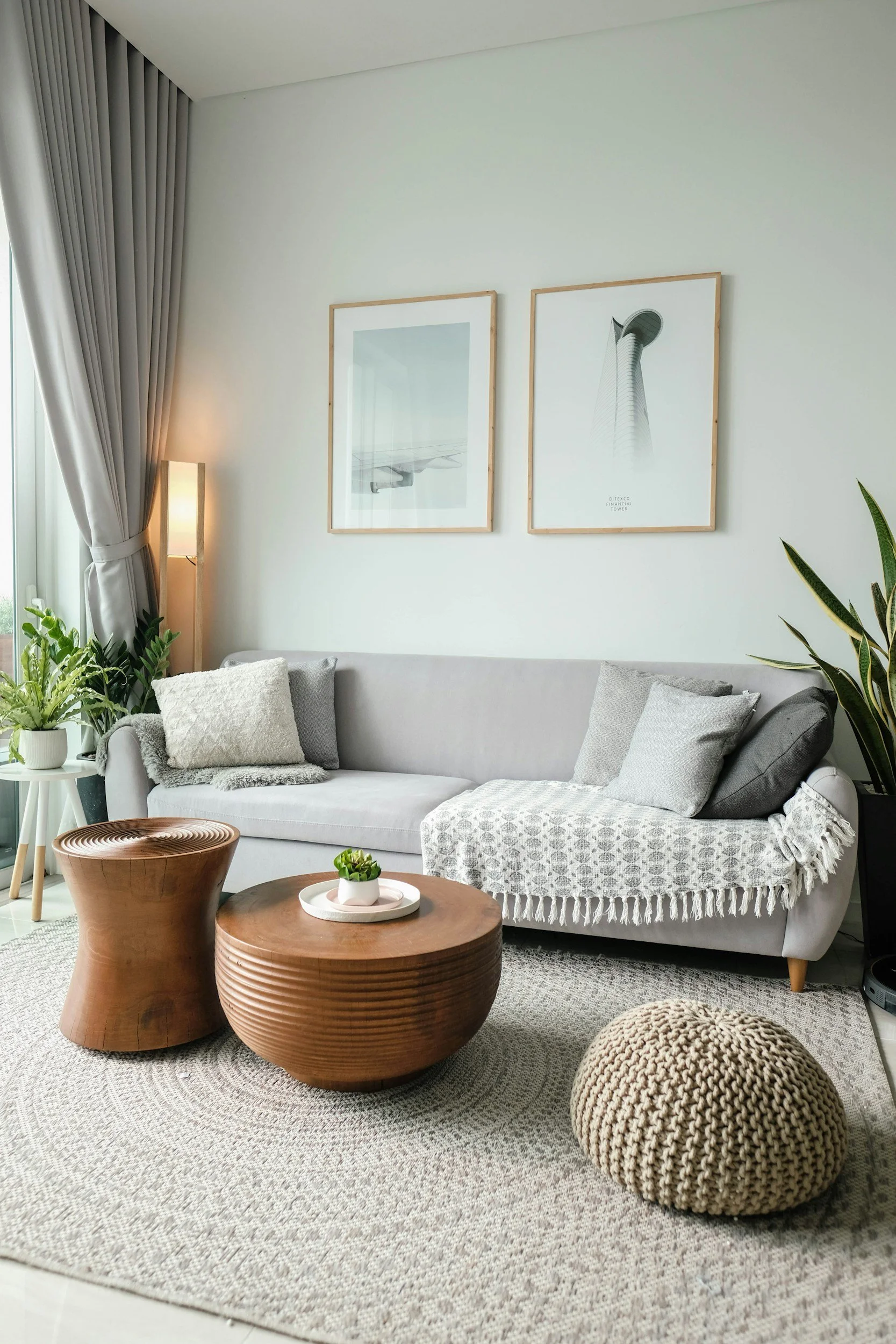
Sofas are low and sinkable, designed for real bodies, not showroom photos. Tables are solid, rounded, and grounded. Chairs curve gently, and rugs cushion your step rather than just define a zone.
Soft minimalism doesn’t try to impress you with cold sparseness. Instead, it gently asks: What do you need to feel at ease?
This is where minimalism shifts from being an aesthetic to being a way of caring—for your space, your mind, your body.
4. Functional Beauty
Everything in a soft minimalist home has a job—some things are purely functional, others simply beautiful—but nothing is wasteful.
The furniture serves the rhythm of your day: a stool becomes a side table; a bench stores linens; a ceramic bowl becomes a catch-all.
Even beauty has function here. A sculptural lamp creates ambient light. A hand-carved bowl draws the eye and encourages slowness. A large piece of art anchors a room without needing a gallery wall.
There is no excess, but also no emptiness. There’s just intention.
5. Breathing Space
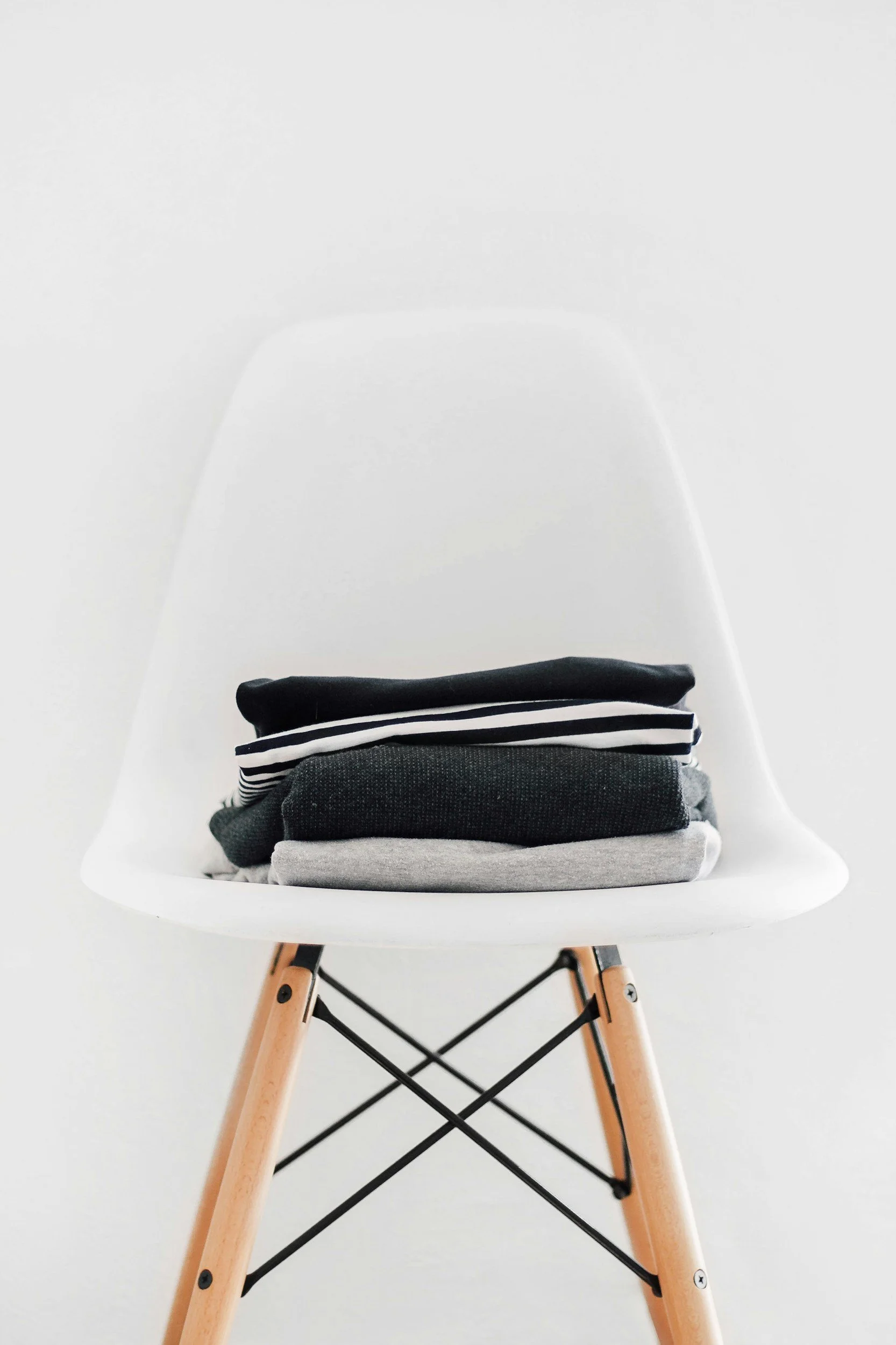
Unlike maximalism, where every corner is filled and carefully curated, soft minimalism deliberately leaves room to pause.
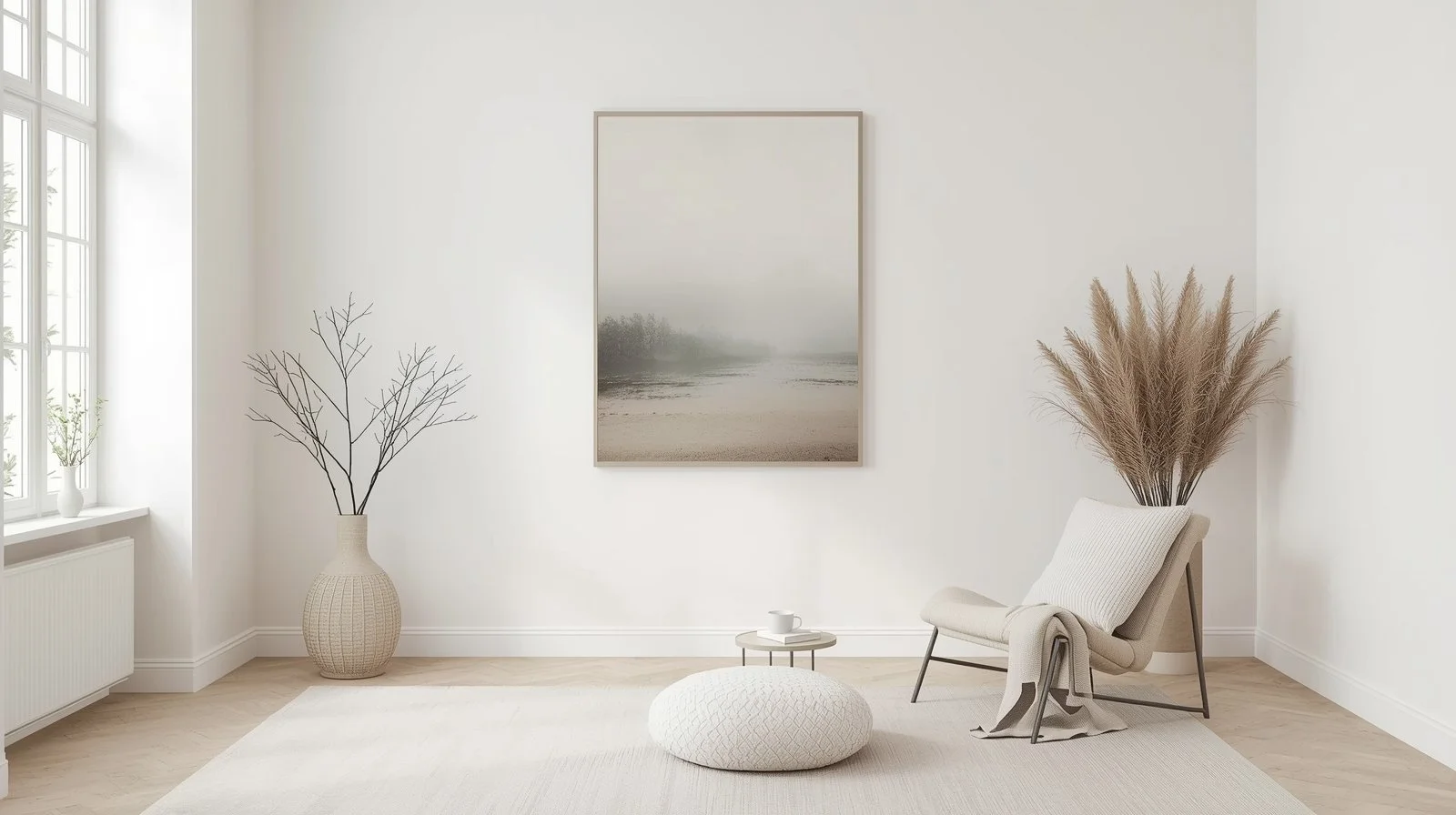
Rest is part of the design. Negative space is not an afterthought — it is intentional and considered. Empty walls bring a sense of calm. Uncluttered floors feel open and expansive. An open shelf holding a single object gives the eye permission to slow down and truly notice what’s there.
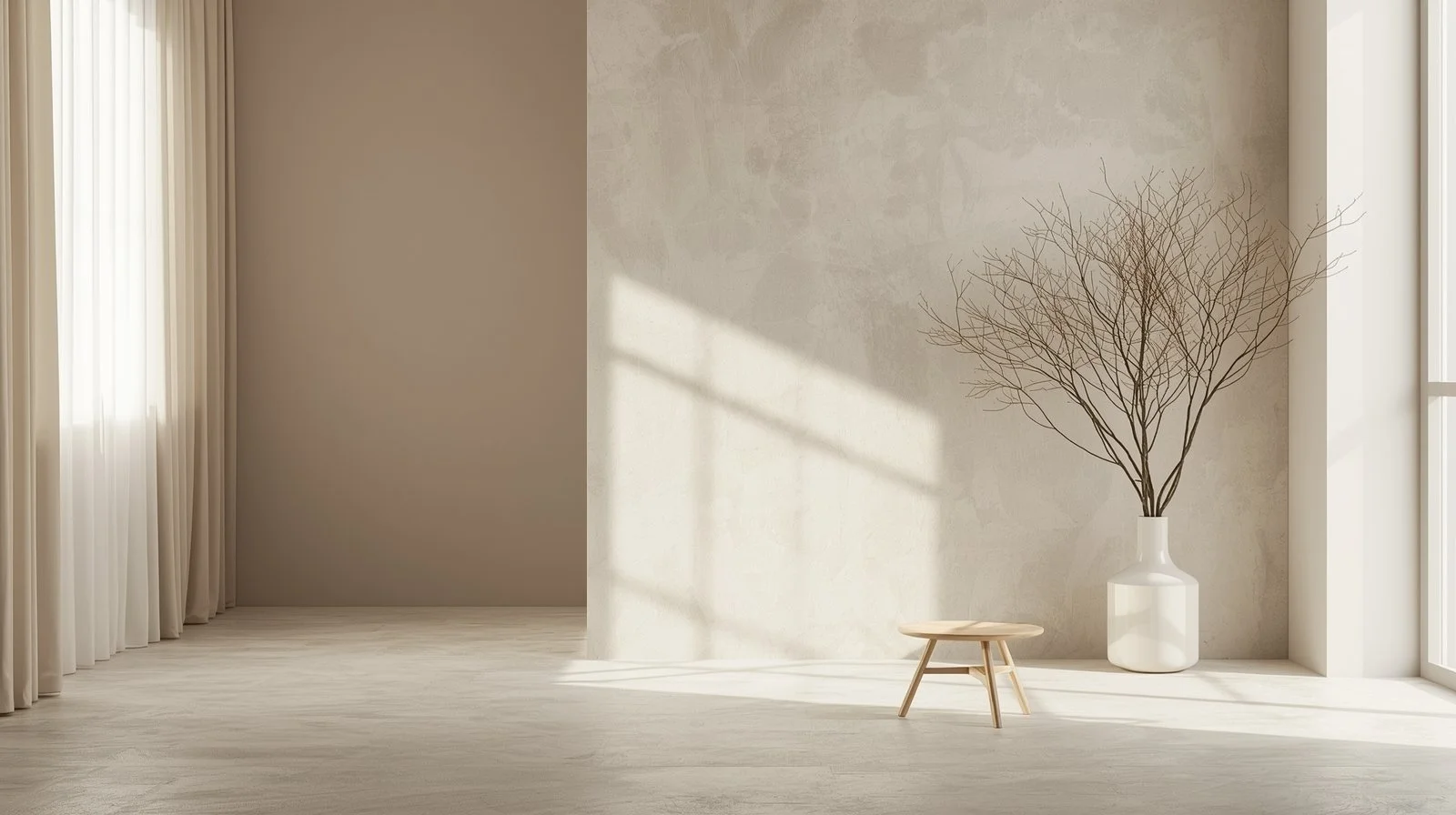
This breathing room is where the mind begins to settle. It’s where you become aware of how light drifts across a wall throughout the day, or how a shadow quietly shifts as the hours pass. The space itself becomes an experience, not just a backdrop.
In soft minimalism, nothing exists by accident. Every choice is thoughtful. Yet nothing feels forced or overdesigned. The result is a home that feels balanced, spacious, and quietly restorative — a place where stillness is not emptiness, but intention.



Color Palette: Understated, Earth-Inspired
The palette of soft minimalism is grounded in quiet confidence. There is no drama, but also no monotony. The hues are soft, layered, and built to last.
Base tones:
Cream, ivory, and warm white
Greige (grey + beige), oat, stone
Pale clay, mushroom, or driftwood grey

Accent tones:
Dusty olive, bone, and putty
Faded blush, sage, or fog
Charcoal and matte black for grounding
These colors don’t dominate. They coexist, flowing from one room to the next without harsh contrast.

Furniture & Layout: Less, With Feel
Furniture:
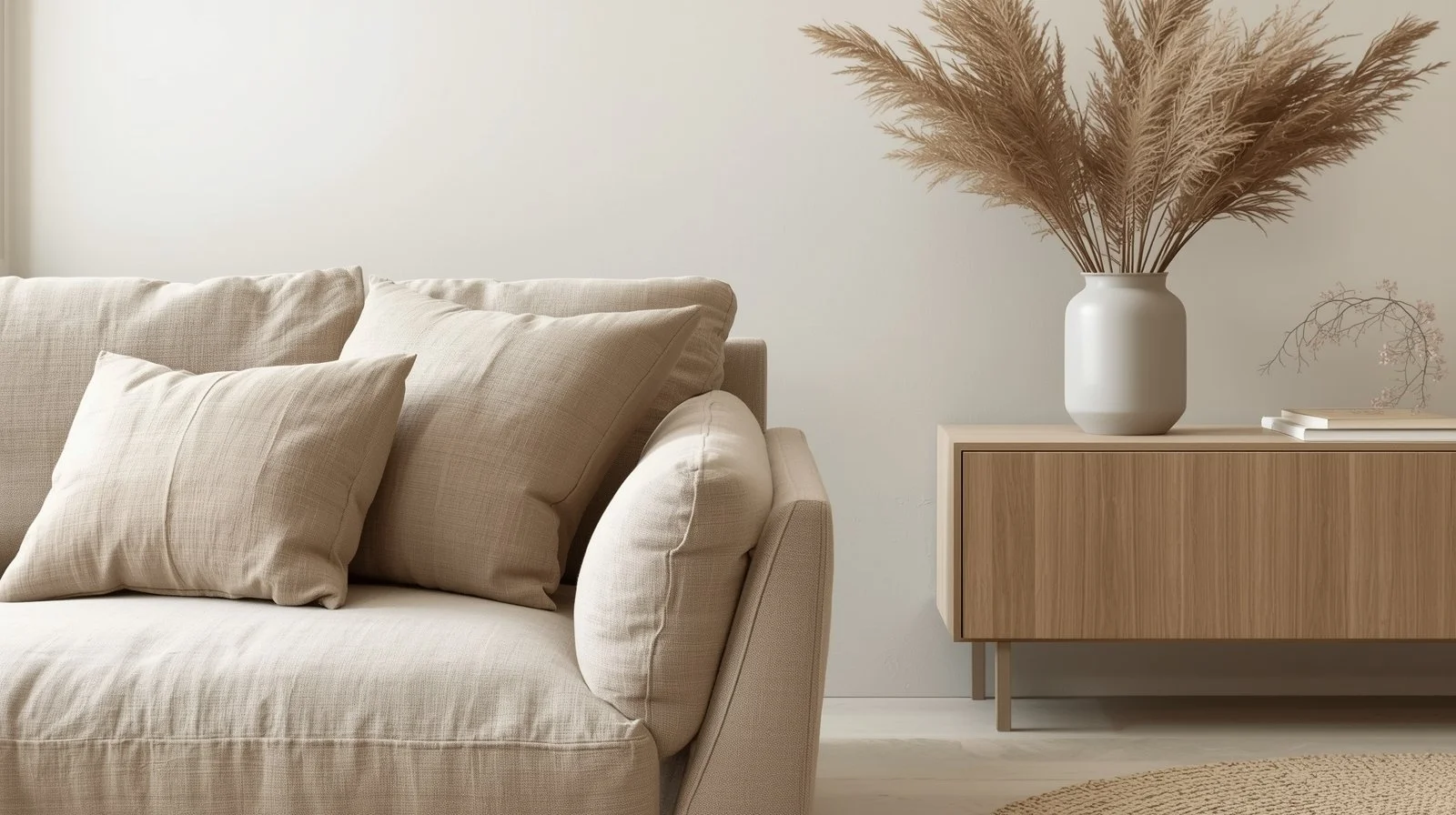
In soft minimalism, furniture isn’t designed to impress—it’s designed to support. Look for shapes that invite relaxationand materials that age gracefully.
Avoid sharp corners, glass, or chrome. Instead, think:
A sand-colored slipcovered sofa
A rounded timber coffee table
An armless lounge chair in textured wool
A bench made from reclaimed wood
A linen pouf near the window
Nothing too heavy. Nothing too fussy. Just a sense of ease.
Layout:
The layout follows the same rhythm:
Let light lead. Never block windows; enhance them with light, sheer curtains.
Flow, not clutter. Avoid over-furnishing—leave open floor space.
Asymmetry over symmetry. It creates a more relaxed, organic feeling.
Natural paths through the room should feel intuitive.
Every layout decision should help the room feel calmer, lighter, and more generous.
Room-by-Room Styling
Let’s look at how soft minimalism unfolds across the home:
Living Room: The Visual Exhale
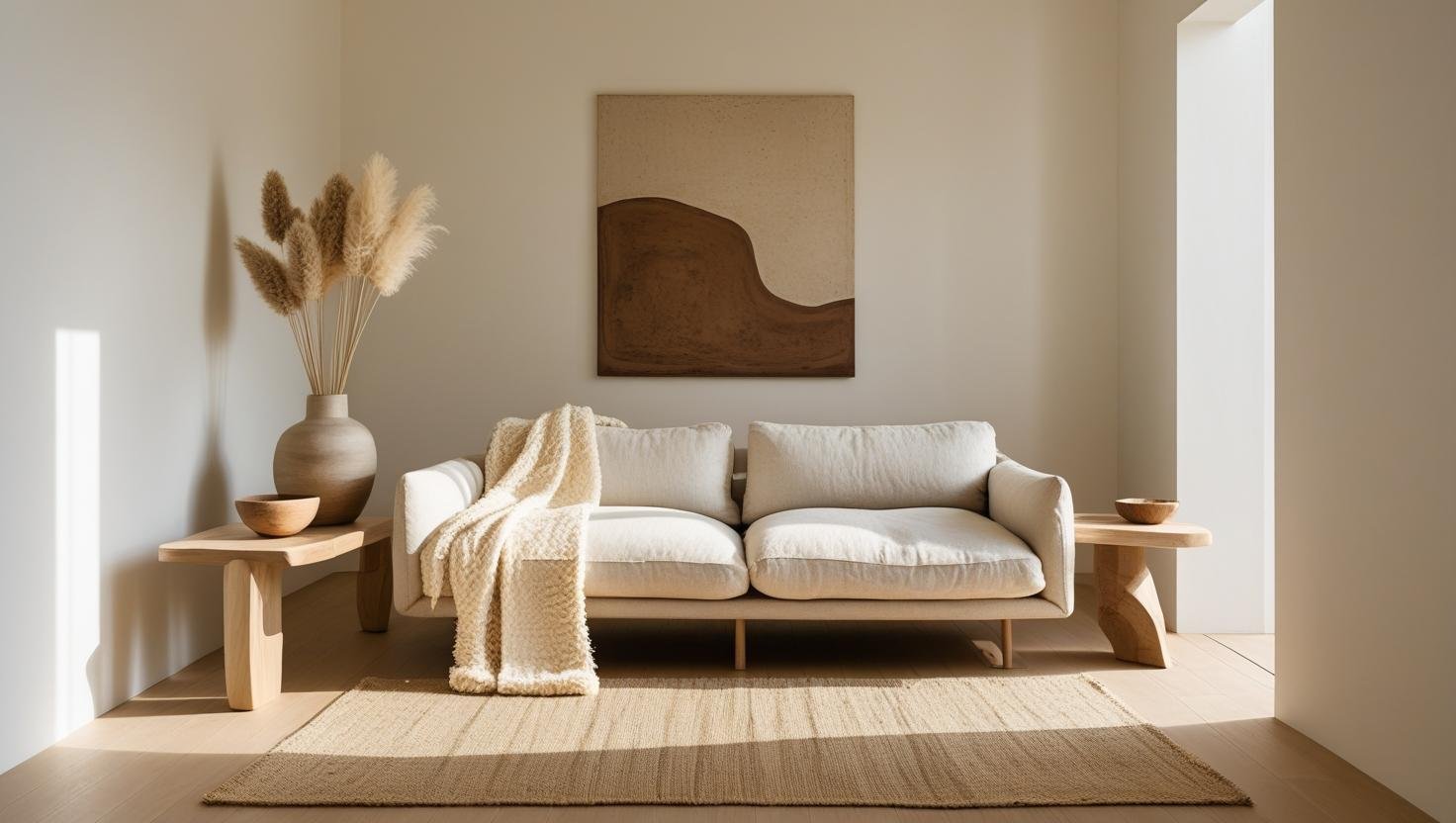
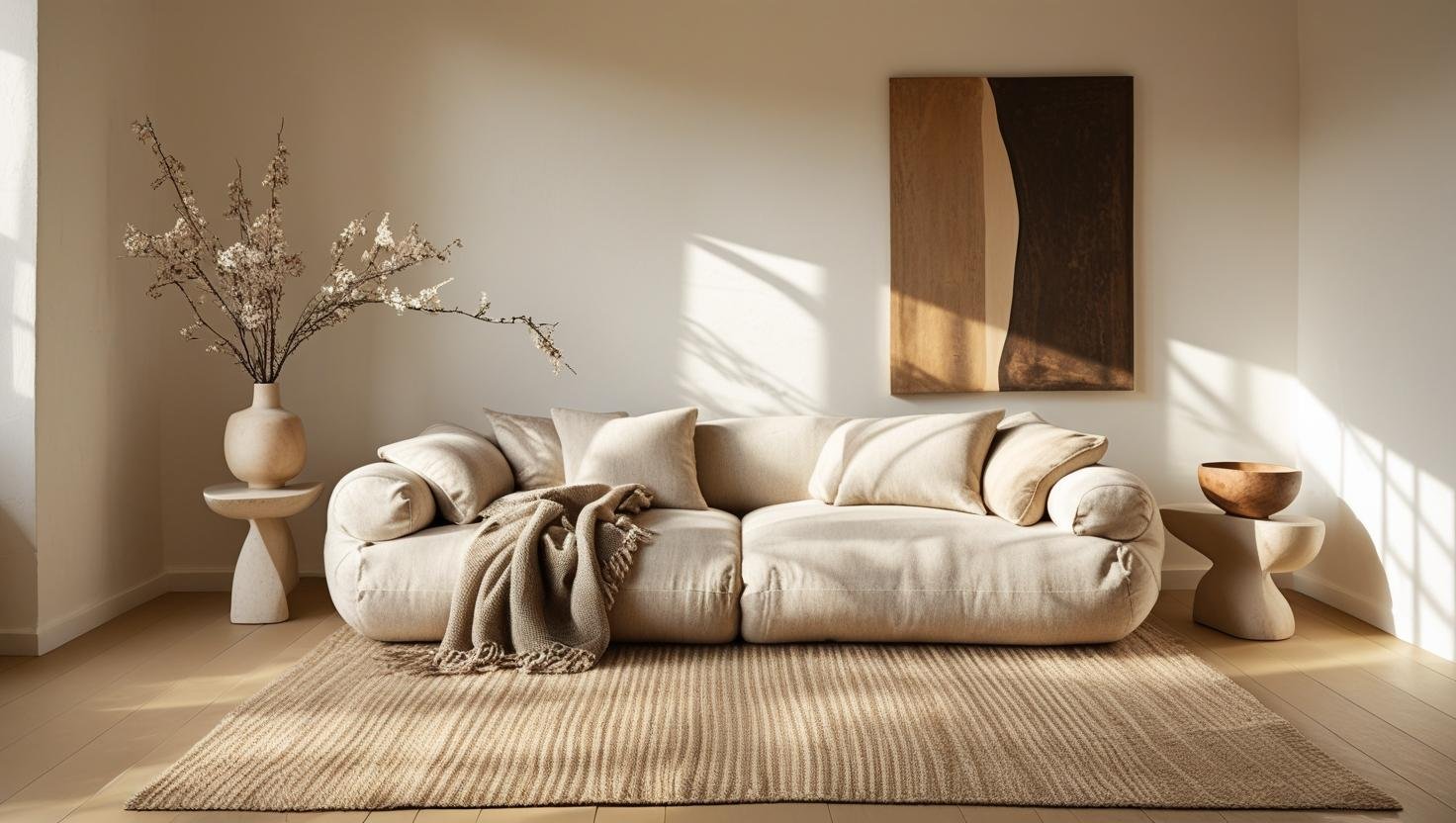
A soft minimalist living room should feel like entering a breath.
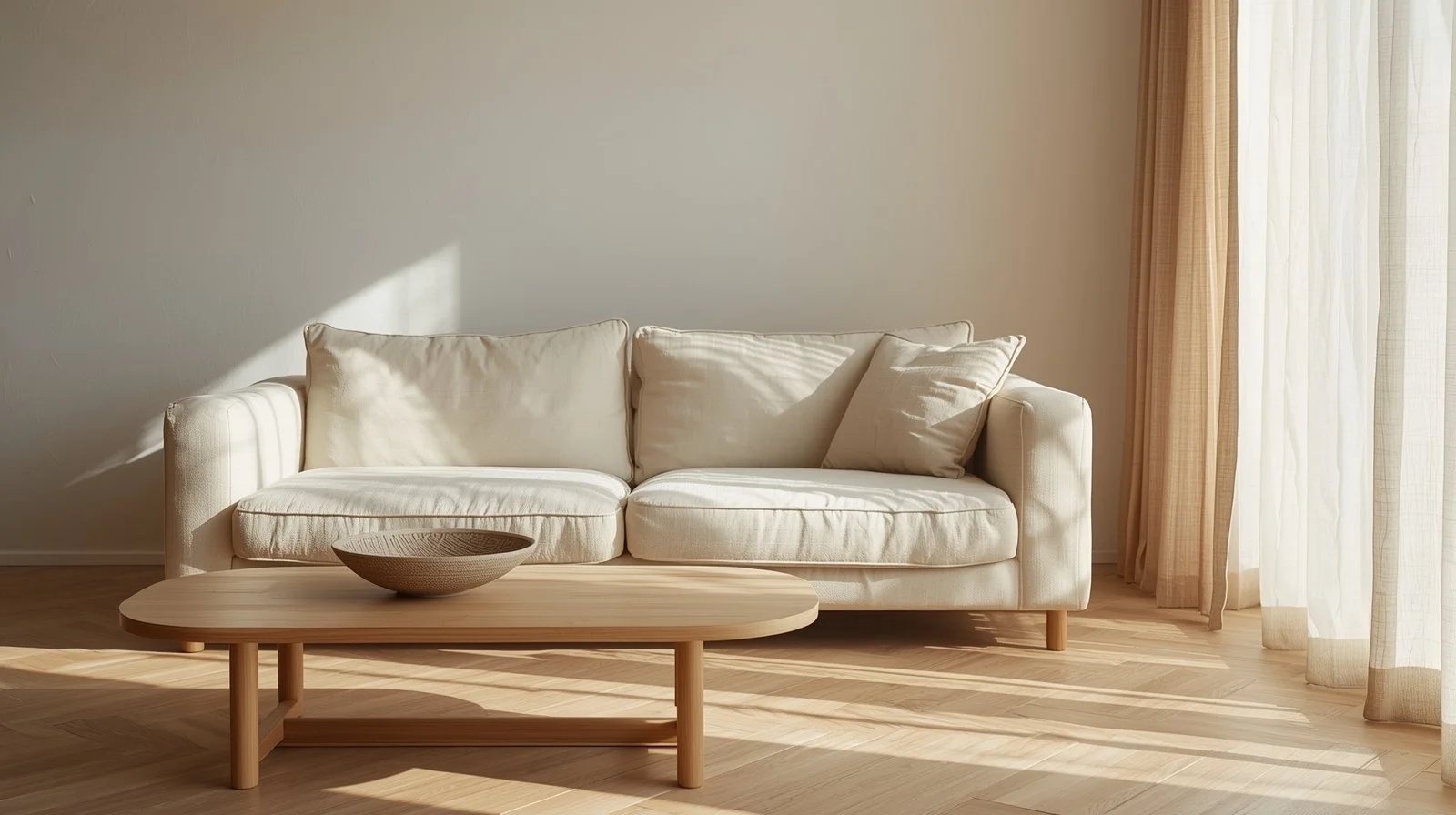
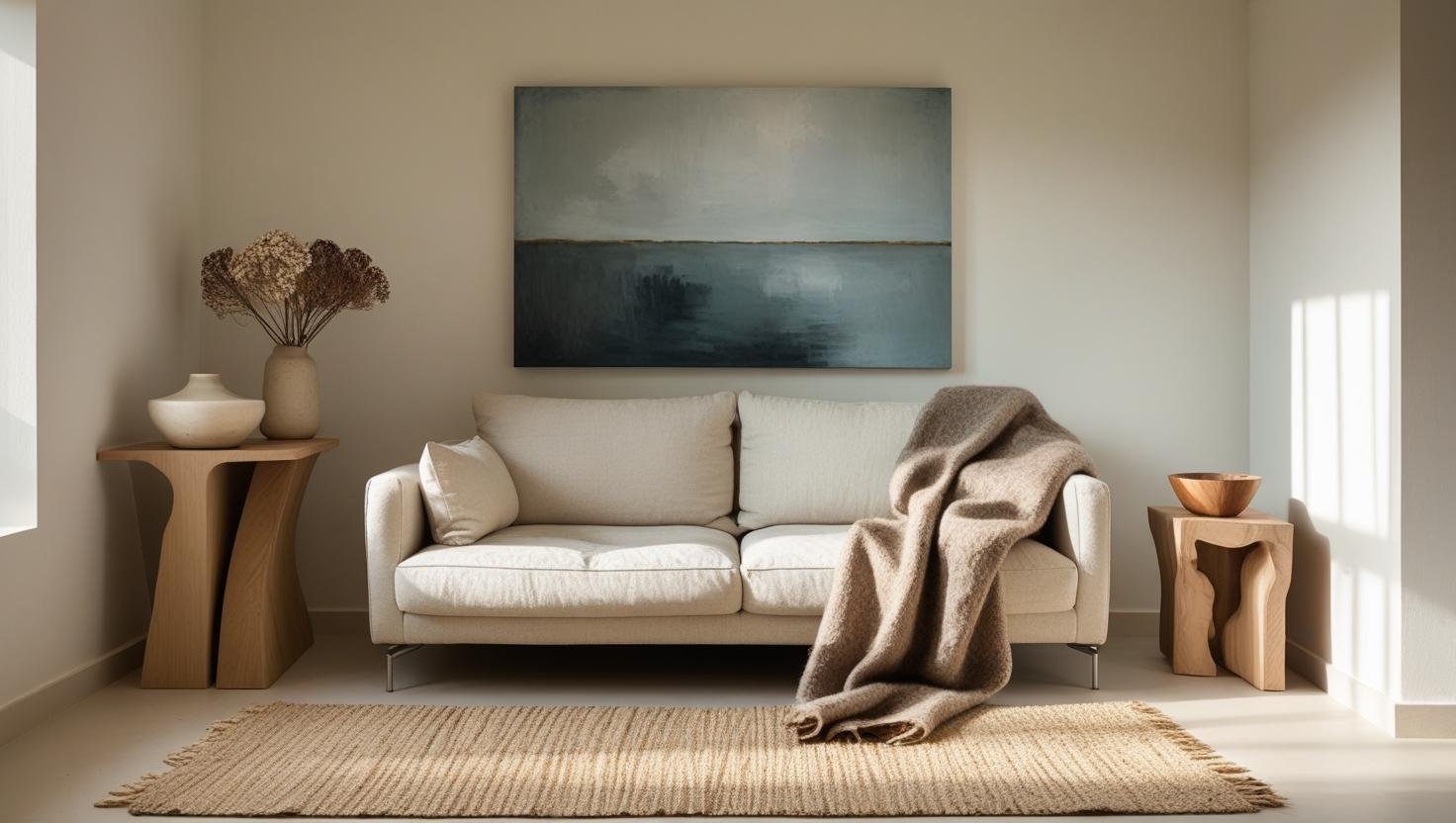
Start with a tonal base: creamy walls, oat-toned flooring, a light woven rug
Choose a deep-seated sofa in linen, draped with a textured throw
Add a sculptural table or side bench—simple, but organic
Decor is minimal: a ceramic vase, a raw wood bowl, or one large abstract artwork
Let light and shadow do the talking—embrace empty corners
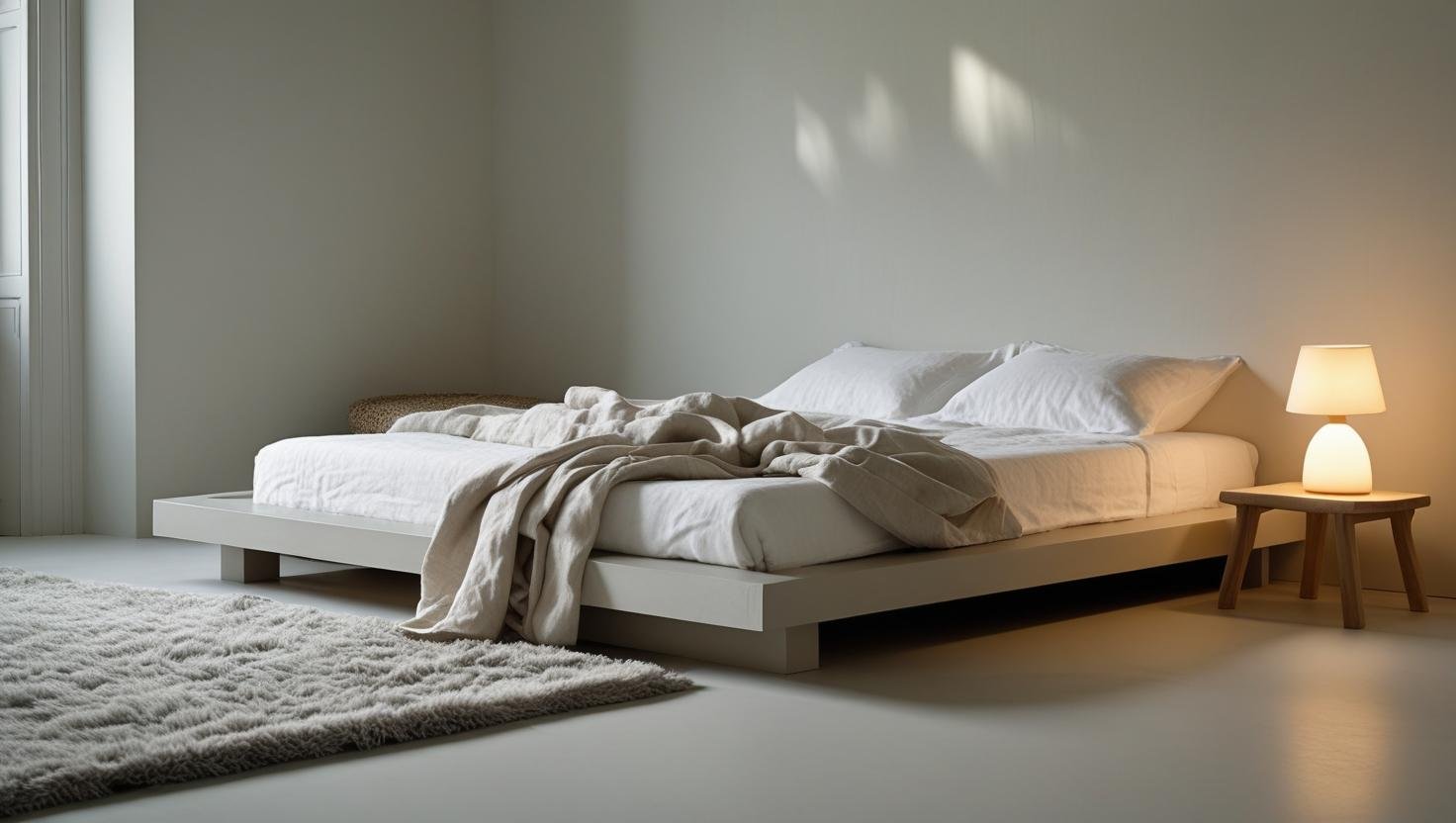
Bedroom: The Quiet Sanctuary
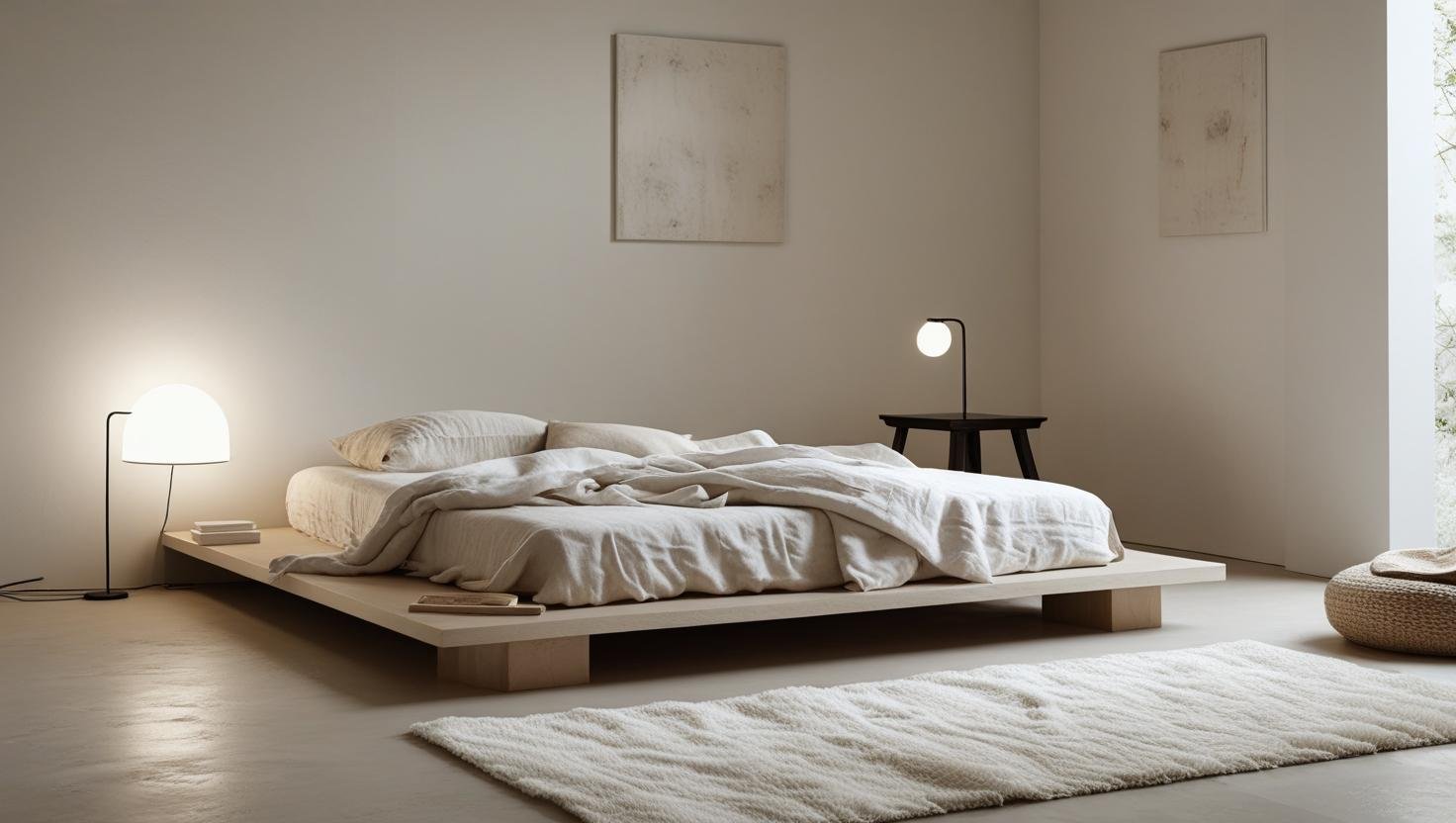
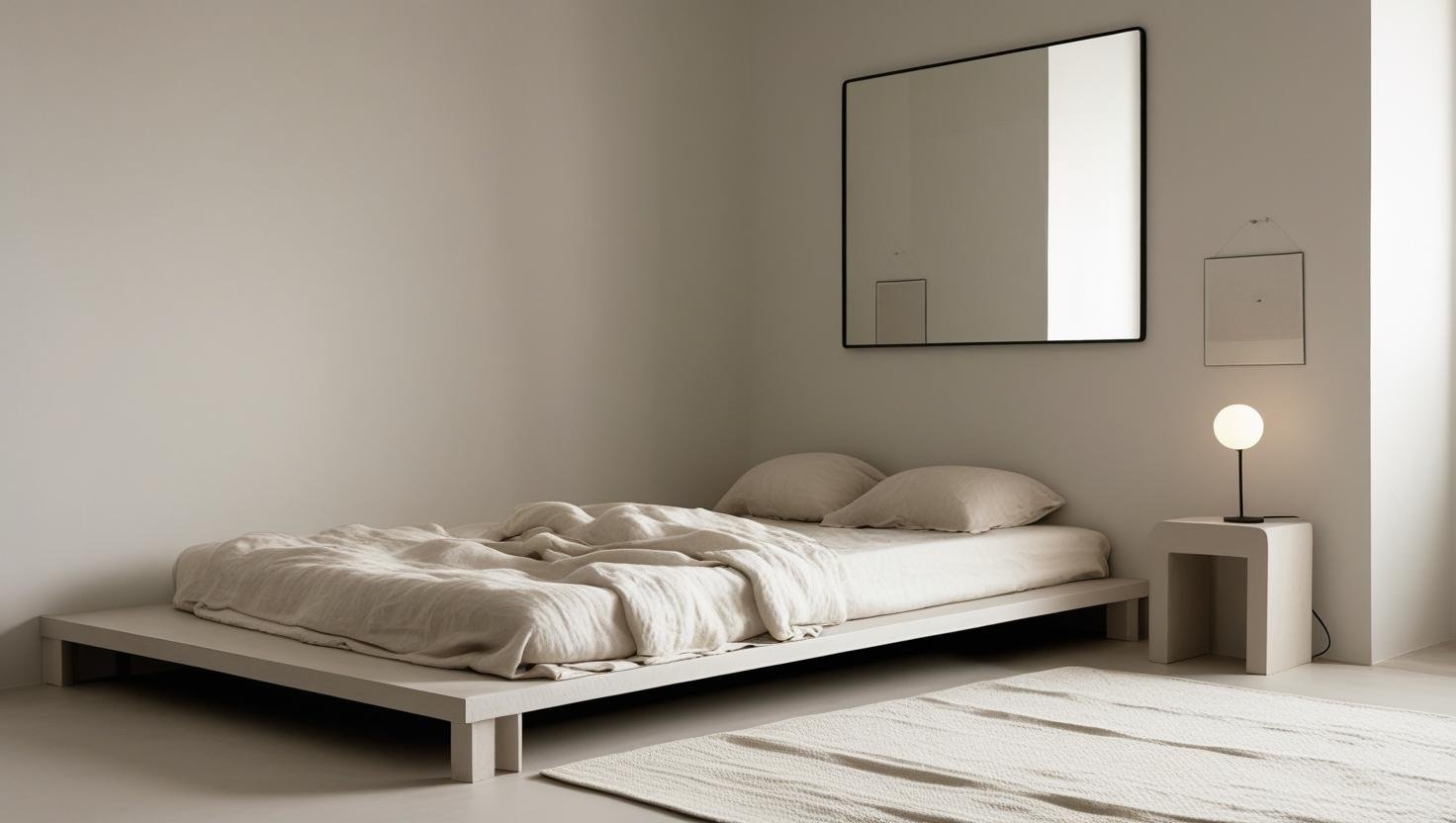
Sleep, in soft minimalism, is sacred. And the bedroom reflects that.
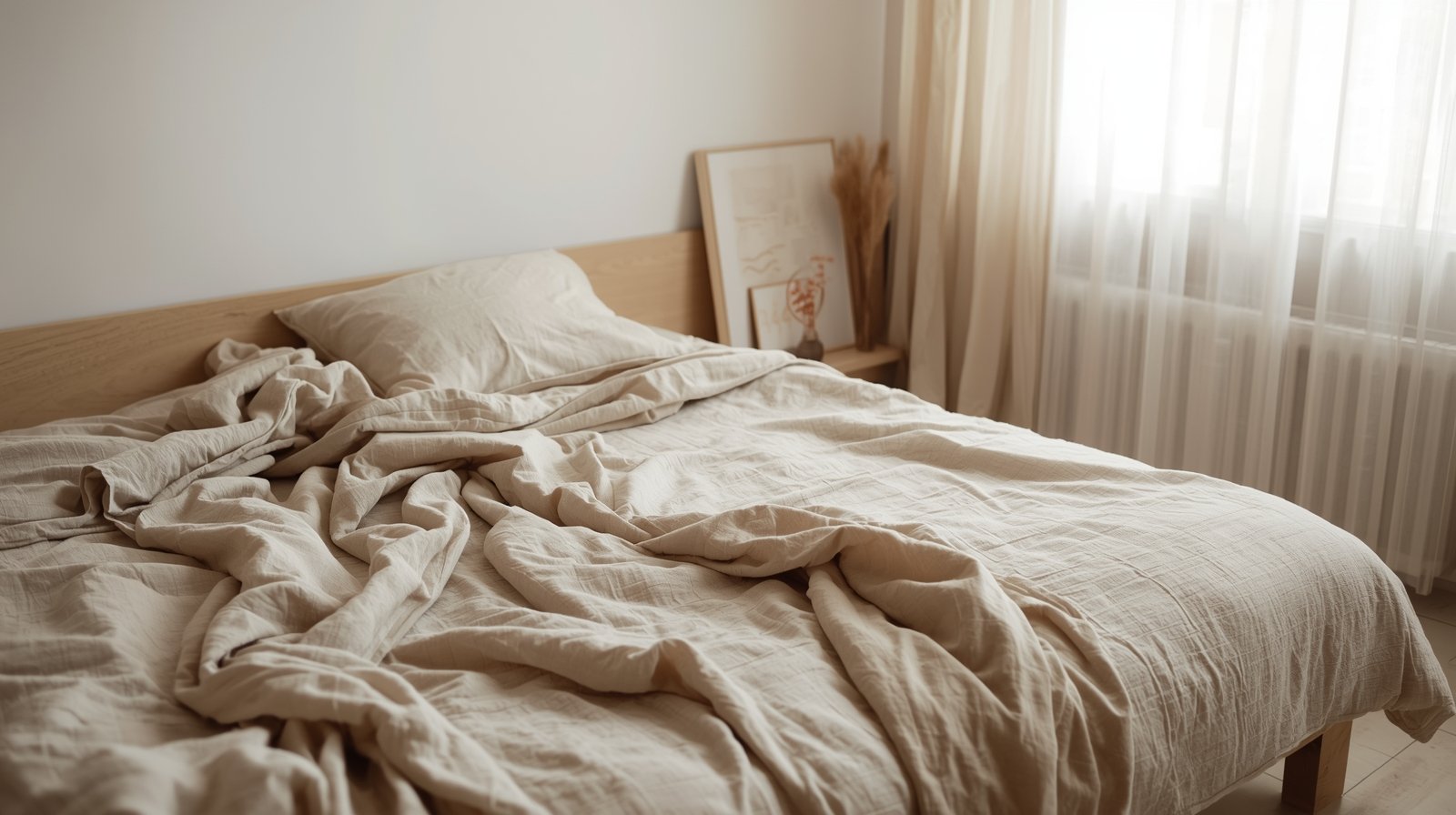
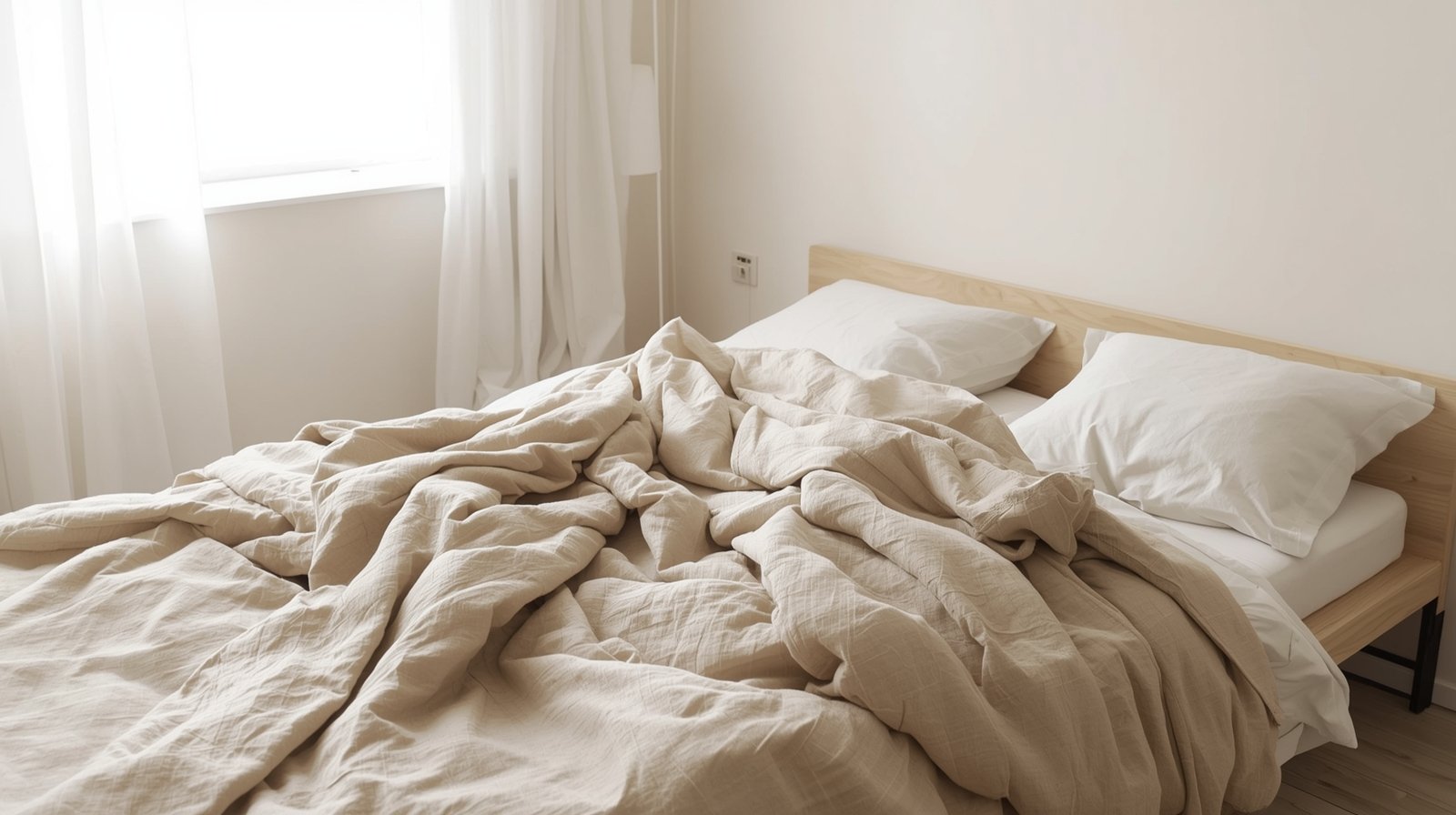
Low, simple bedframe or mattress on a platform
White or flax-colored linen sheets
A single bedside stool or table
One ambient lamp (no overheads)
A soft rug underfoot and minimal artwork or mirrors
No screen distractions. No clutter. Just stillness.
Kitchen: Warm, Practical Simplicity
Functionality with soul. That’s the goal.
Use warm woods, natural stone or concrete countertops
Open shelving with matching ceramics, wooden boards, and clear jars
No over-styling—just what you use and love
Light linen or cotton curtains on kitchen windows
Simple pendant lights and unvarnished materials
Let meals be the focus, not decorations.
Bathroom: Ritual Over Routine
Design your bathroom as a place of pause, not just necessity.
Use stone trays or wooden boxes for storage
Waffle towels in neutral tones
A handmade mug for toothbrushes
Warm light from sconces or dimmable lamps
Minimal mirrors, no clutter, and soft fragrance (lavender, cedar, sandalwood)


Stillness Is a Luxury
Soft minimalism isn’t about aesthetic superiority, and it isn’t about creating a flawless room meant to be admired from a distance. At its heart, it’s about granting yourself — and your home — the freedom to breathe.
It invites awareness rather than perfection. The way sunlight drifts across the floor. The calm presence of an empty wall. The quiet comfort of a well-made chair, a clear surface, a room that doesn’t demand attention or effort.
In a culture defined by excess, constant stimulation, and visual noise, soft minimalism becomes a quiet form of resistance. It chooses restraint over accumulation, ease over performance.
More than a design style, it is an invitation — to slow down, to soften, and to simply be.
